Today's editionnews2026-07-24
The Igloo — PSN Goes Dark, Lara Gets Delayed Again, and a Blizzard Dev's Forbidden Magic
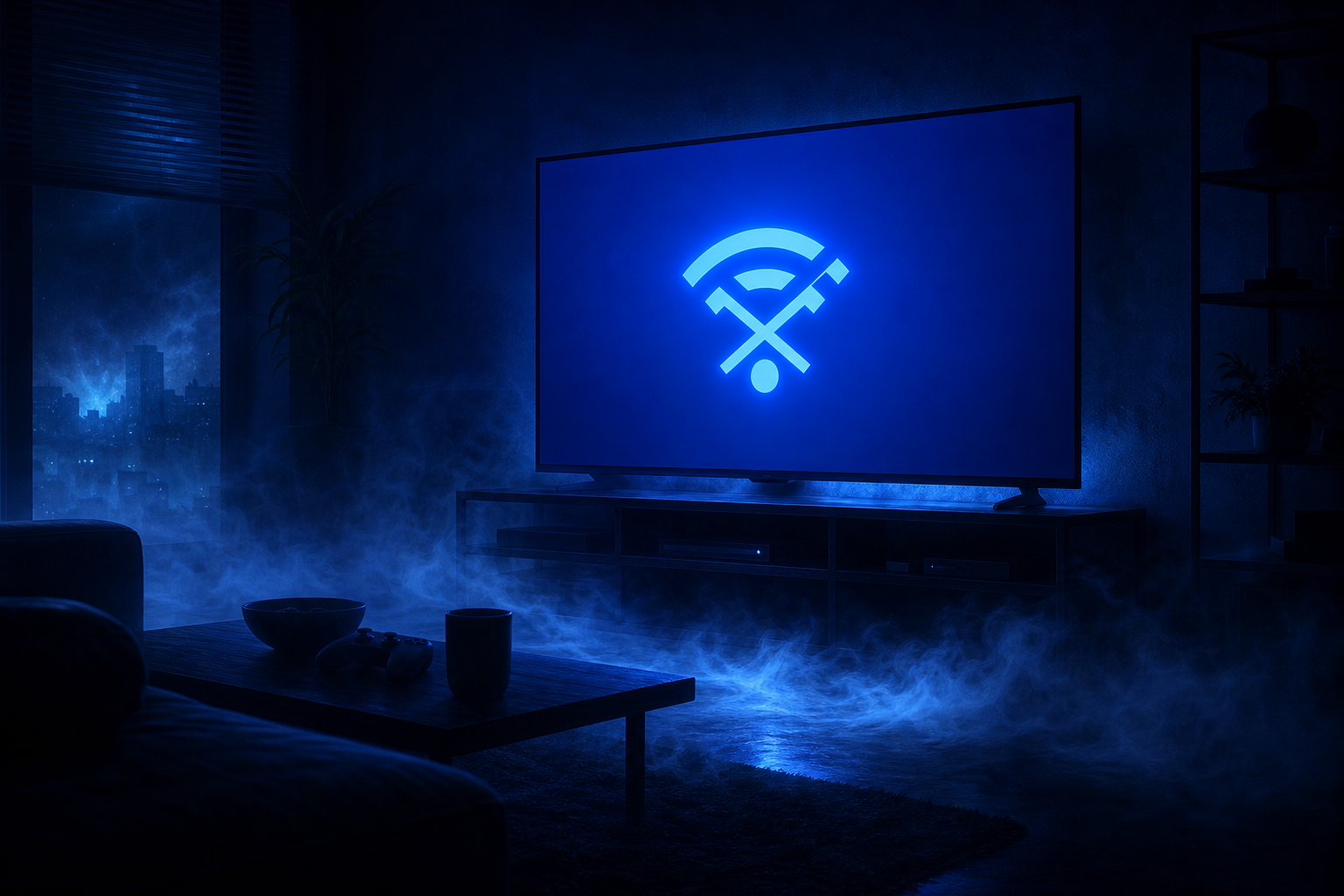
PlayStation Network went down today — and the comment sections lit up with the all-digital anxiety that's been simmering for years. Also: Tomb Raider Catalyst is now a 2028 problem, a Blizzard developer got fired for using dev-only spells to help friends insta-kill raid bosses, and a vampire RPG would like your enemy's teeth.